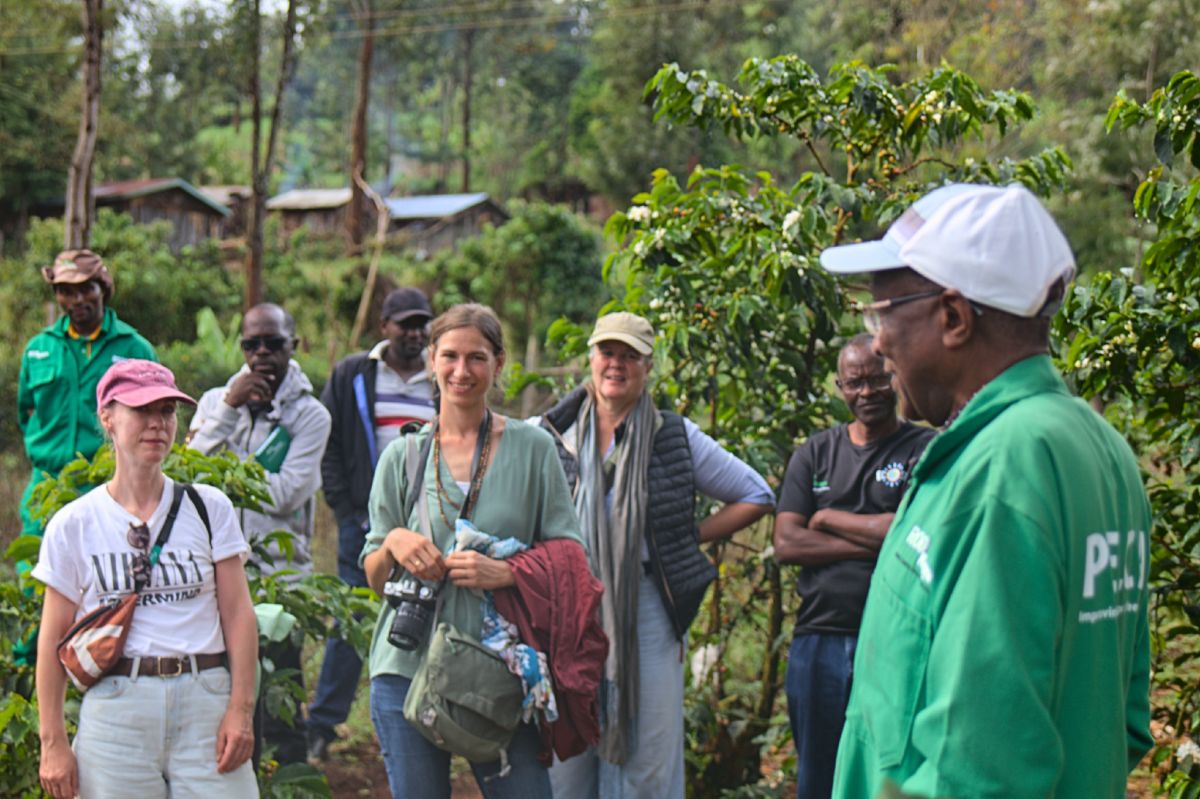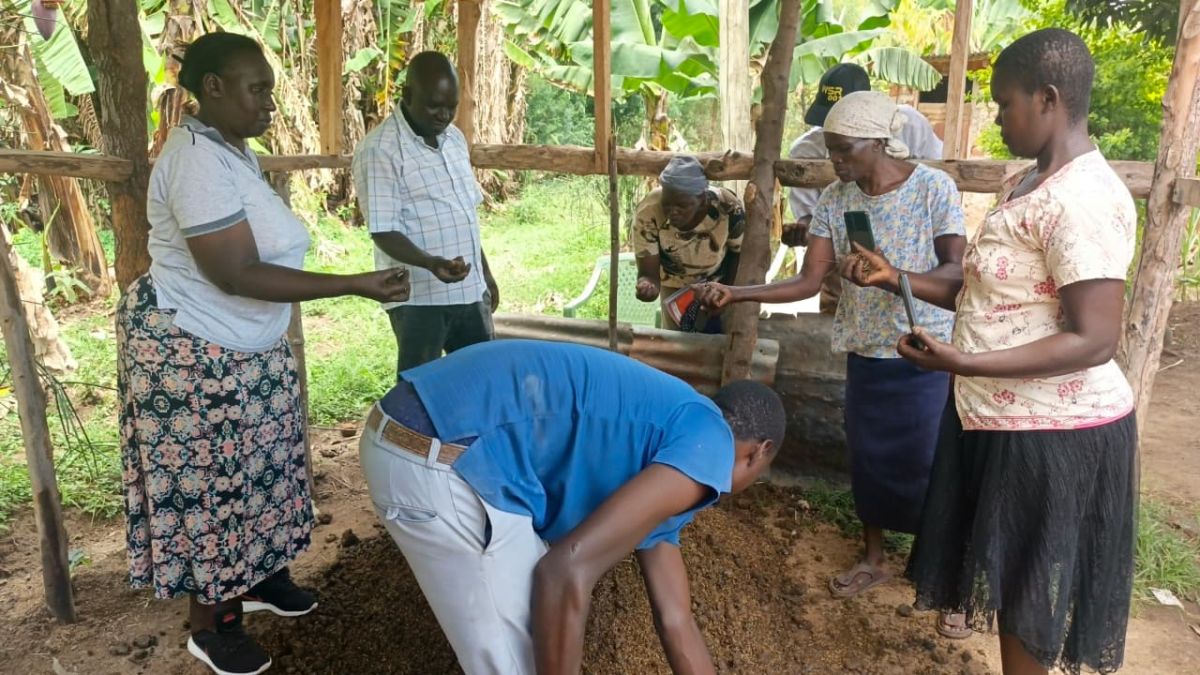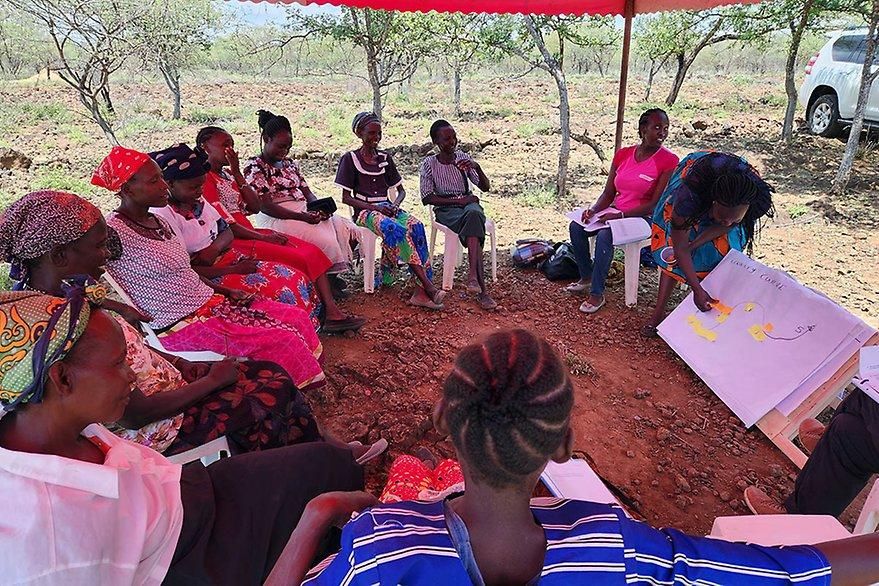
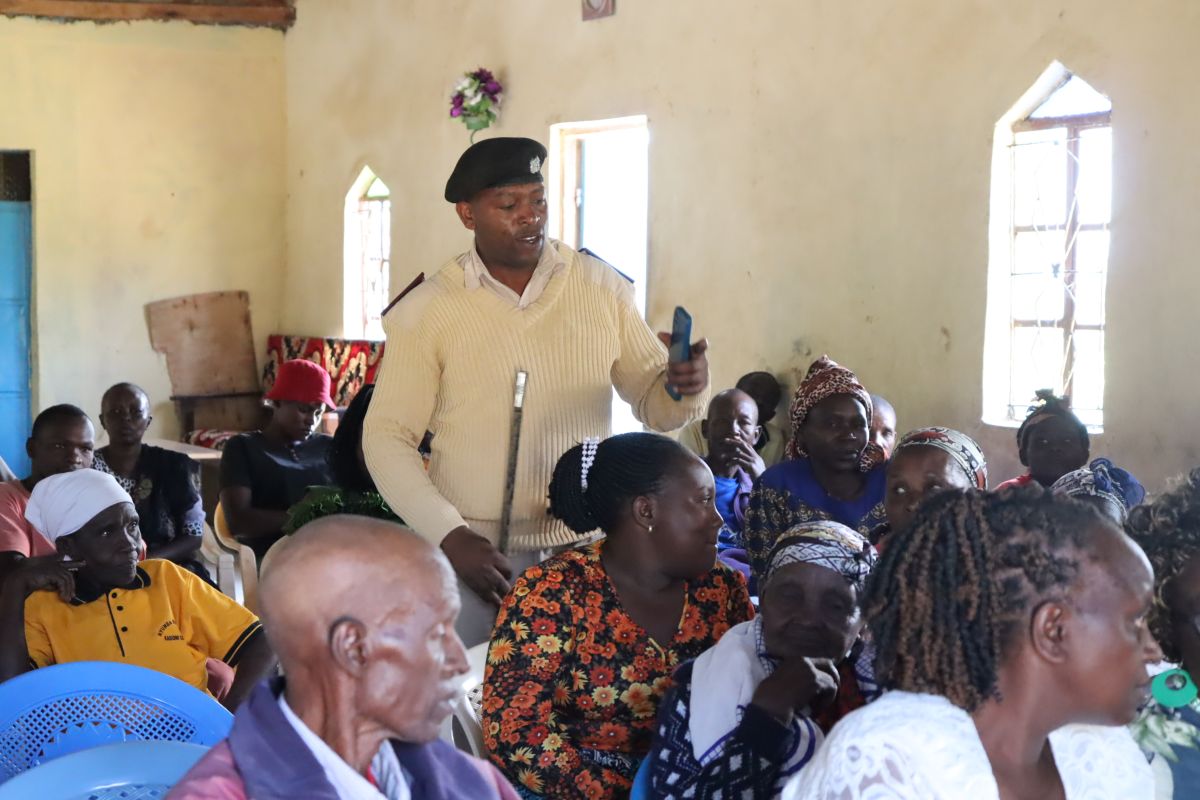
Community members identify beekeeping, dairy goat farming, indigenous chicken farming and fruit tree planting as potential pathways to sustainable livelihoods and forest conservation.
RODI Kenya conducted a community sensitisation and public participation meeting at Nzambani AIC Church, bringing together community members and local leaders to discuss sustainable livelihood opportunities that can help reduce pressure on Oldonyo Sabuk Forest.
The meeting focused on developing community-led solutions to support households economically while protecting the forest from further destruction. In previous years, parts of the community had encroached on the forest, cutting down trees for charcoal production and engaging in poaching for game meat. The initiative seeks to address these pressures by exploring alternative sources of income that can sustain families without depending on forest resources.
The session was graced by Assistant Chief Mr Paul, alongside Kenya Wildlife Service (KWS) officers, including Deputy Warden Mr Osman and Officer Chomba.
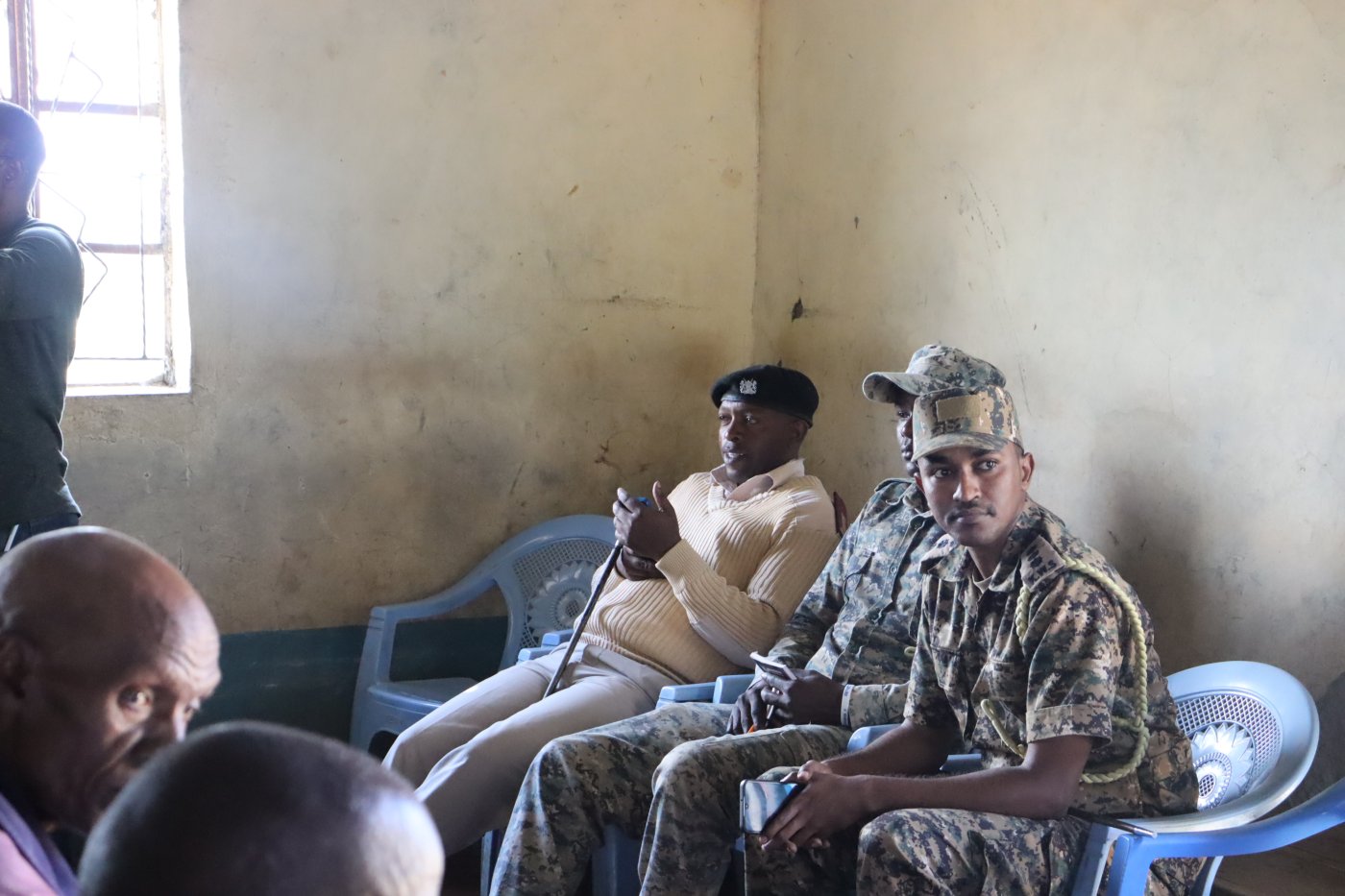
Community Participation at the Centre of Sustainability
Community members were encouraged to brainstorm and propose practical livelihood activities that could support their households beyond the project's implementation period and as the project moves to other locations.
The discussions emphasised the importance of community ownership and long-term sustainability. By identifying viable income-generating activities, residents can strengthen their livelihoods while contributing to the protection and recovery of Oldonyo Sabuk Forest.
Proposed Sustainable Livelihood Activities
1. Beekeeping
Beekeeping emerged as one of the preferred livelihood options. Community members highlighted its potential to generate household income through honey production, with harvesting opportunities depending on local conditions and hive management. The activity can also complement forest conservation by encouraging communities to value healthy ecosystems that support pollinators.
2. Dairy Goat Farming
Dairy goat farming was identified as another promising option for household income generation. Members noted that families could earn money from milk sales and the sale of goat kids. Access to animal feed and veterinary services was also discussed as an important consideration in making the activity sustainable.
3. Indigenous Chicken Farming
Indigenous, or kienyeji, chicken farming attracted interest because it can be managed at the household level and offers several income opportunities. Families can sell eggs, mature birds for meat and chicks. However, participants identified limited access to incubators and quality eggs as challenges that would need to be addressed to support successful production.
4. Fruit Tree Planting
Fruit tree planting was also proposed as a way to improve household nutrition and potentially generate income through the sale of fruits such as pawpaw and other locally suitable varieties. The initiative could provide long-term benefits for families while encouraging a culture of growing and caring for trees.
Building Livelihoods Beyond the Project
The discussions showed strong interest in indigenous chicken farming, dairy goat farming and beekeeping. These options stood out as potential pathways for helping households diversify their income and reduce reliance on activities that damage the forest.
The ideas generated during the meeting will help inform discussions on sustainable livelihood support for the community. Their success will depend on factors such as access to appropriate resources, training, veterinary support, markets and continued community participation.
For RODI Kenya, community sensitisation is an important step towards ensuring that conservation efforts go hand in hand with the wellbeing of the people who live around protected natural areas.
Protecting Oldonyo Sabuk Forest means investing in both nature and the people whose livelihoods depend on a healthy environment. By working with communities to identify practical alternatives, RODI Kenya seeks to support a future where families can improve their livelihoods while safeguarding the forest for generations to come.