Since 1994, RODI has partnered with the Kenya Prisons Service in rehabilitation of prisoners in 35 prisons in Kenya. We use a Restorative Prisoner Rehabilitation Approach, which targets the prisoner, the community and the victim(s) to enhance reintegration and reduce the rate of re-offending.
In 2004,RODI organized an international workshop called Restorative Justice: Good Prisoner Rehabilitation Practice. The workshop brought together senior prison officers and NGO representatives from six African countries: Uganda, Tanzania, Malawi, South Africa, and Cameroon. Other visitors came from the UK. The workshop came up with the Nairobi Declaration which endorsed RODI’s Restorative Prisoner Rehabilitation Approach that targets the offender, the community and as much as possible the victim.
RODIs main concern is the way prisoner rehabilitation is conducted in and out of prisons. Many prisoners leave correctional institutions worse off, poorer, hardened and stigmatized, only to be rejected by the society; and through re-offending or trumped up charges return to prison, and the cycle of recidivism continues. Kenyan prisoners have a high turnover rate, a short average stay and high return rates.
RODI is accredited by National Industrial Training Authority (NITA) to offer vocational and technical training in sustainable agriculture, agro-processing and value addition and production of hygiene and domestic products. The skills provided are intended to enhance self-esteem, hope in life, self-support and to endear ex-prisoners to the community besides enabling them to contribute towards community and national development.
The rehabilitation process has the following interventions:
- Recruiting prisoners to participate in both theory and practical training in rehabilitation programs under RODI
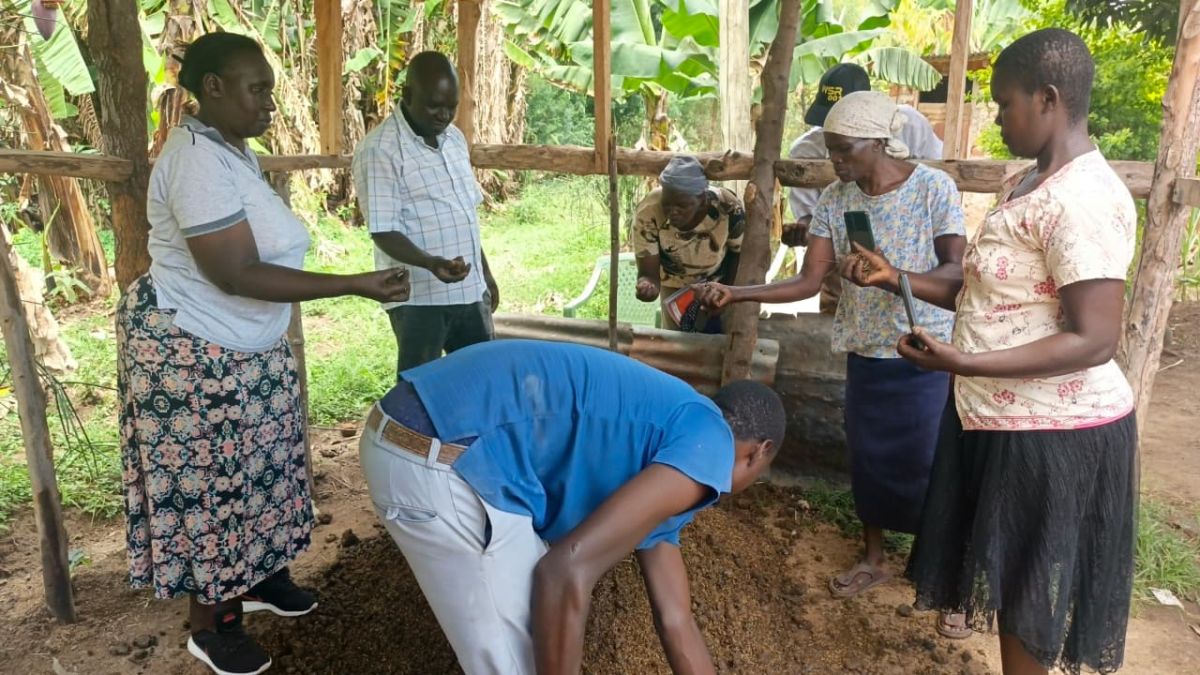
- Establishing of training and demonstration units for practical training in agro-ecology; agro-processing and value addition; and production of hygiene and domestic products
- Providing psychosocial support to prisoners and their families as well as with those offended to restore, initiate healing and forgiveness; a critical tool to facilitate effective reintegration